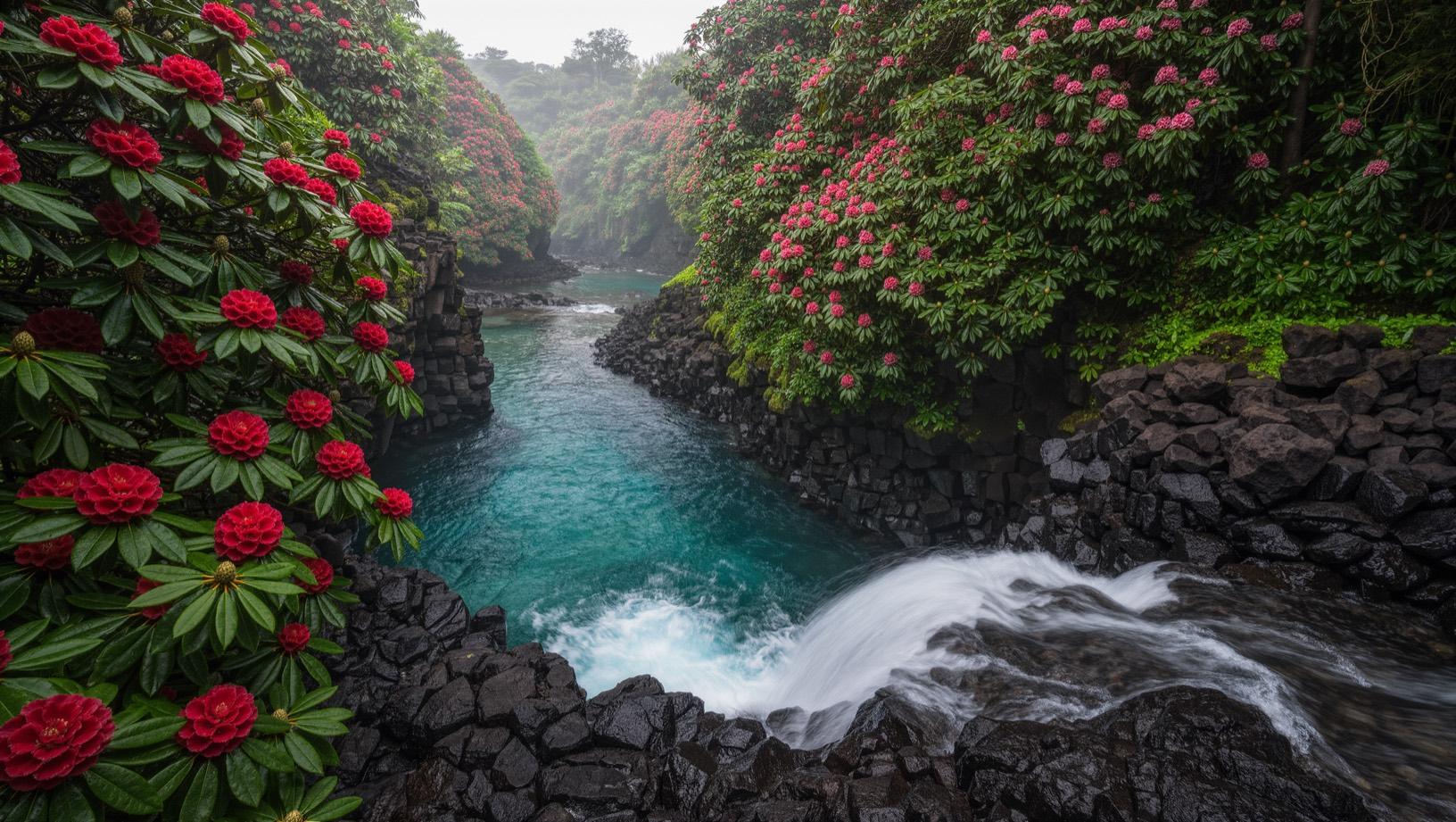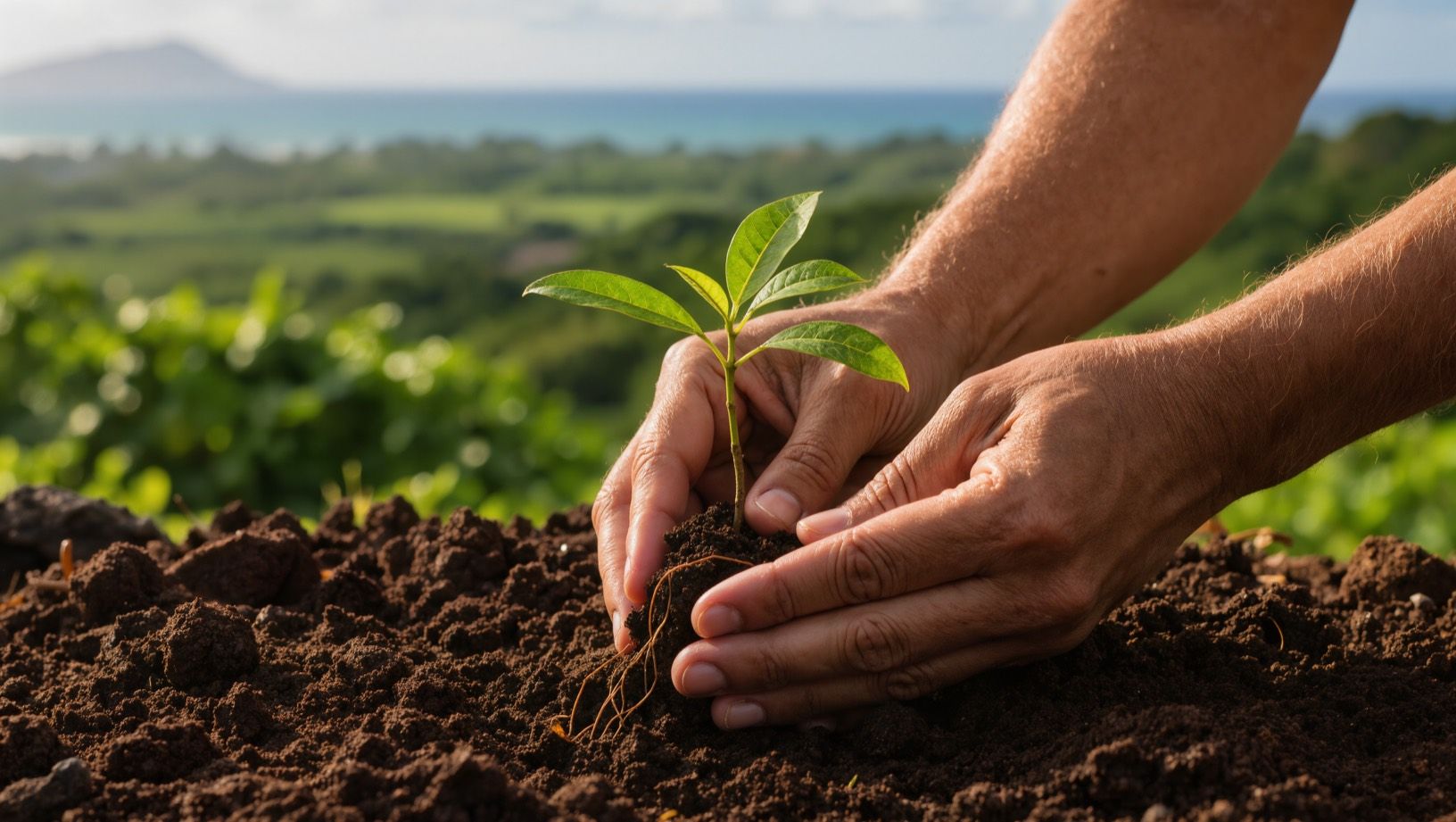
The words are easy to say and easy to get wrong, so let us start with what they are. ʻAʻohe ʻŌpala Ma Ka ʻĀina is the phrase at the heart of our song of the same name, and it is the motto ʻĀina Force works under. We describe our mission as protecting the dignity of the land. That is our mission line, not a word-for-word translation.
What the words say
ʻĀina is land. ʻŌpala, in the standard Pukui-Elbert dictionary, means trash, rubbish, refuse, litter, waste matter. Read word by word, the phrase says something like “no rubbish on the land.” That reading is ours, not a published translation.
We want to be careful here. We are not presenting the phrase as a traditional ʻōlelo noʻeau, one of the proverbs collected by Mary Kawena Pukui. We have not found it in the standard collection of Pukui’s proverbs, and it should not be passed off as ancient wisdom. It is our own phrase, built from everyday Hawaiian words to say something plain. If you are a Hawaiian-language speaker or cultural practitioner and you see a better way to say it, we want to hear from you.
The old teaching it leans on
There is a real proverb nearby, and it is the one this song is really built on. ʻŌlelo noʻeau number 531 reads “He aliʻi ka ʻāina; he kauwā ke kanaka.” In Pukui’s English: the land is a chief; man is its servant. Sources that teach it describe it as a statement about who depends on whom. The land does not need people. People need the land and work it to live.
The land is a chief; man is its servant.
That is a different idea from “keeping things tidy.” A chief is owed respect, and a servant owes care. The song’s lines, “I do not own your beauty, I am only passing through,” come from the same place.
The law says something similar
The State of Hawaiʻi’s constitution says it in its own words. Article XI, Section 1 says the State and its counties shall conserve and protect Hawaiʻi’s natural beauty and all natural resources, including land and water, for the benefit of present and future generations, and that all public natural resources are held in trust for the people. Section 9 goes further: each person has the right to a clean and healthful environment, and any person may enforce it through legal proceedings.
Now put “no rubbish on the land” next to what a cesspool is. It is a pit that lets household wastewater soak into the ground with almost no treatment. Hawaiʻi has about 83,000 of them, about 48,600 on Hawaiʻi Island, and the island’s cesspools release an estimated 29 million gallons a day into the ground. The Department of Health says they add pathogens and nutrients to groundwater that moves to streams, beaches and reefs.
That is the gap the motto points at. Nobody put that wastewater there out of disrespect. For decades cesspools were the normal, legal way to build a home. But the land receives what we put in it, and the law now says every cesspool in the state must be upgraded, converted or connected to sewer by 2050.
Dignity, in practice
Why “dignity”? Because the word asks for more than cleanup. It asks us to treat the land as something that has standing, the way a chief does, and to deal with people the same way. That is why our work starts with the homeowner’s questions and not with a sales pitch.
In practice, protecting the land from wastewater means a licensed engineer designs a replacement system, the Department of Health reviews it, a licensed contractor builds it, and DOH approves it for use. ʻĀina Force does none of that work ourselves. We help the people involved keep information moving. If you want to see where your own property stands, Start My Property Check.
The song’s last line is the prayer it opens with: “For every mountain, for every shore, we promise to protect the dignity of the land.”