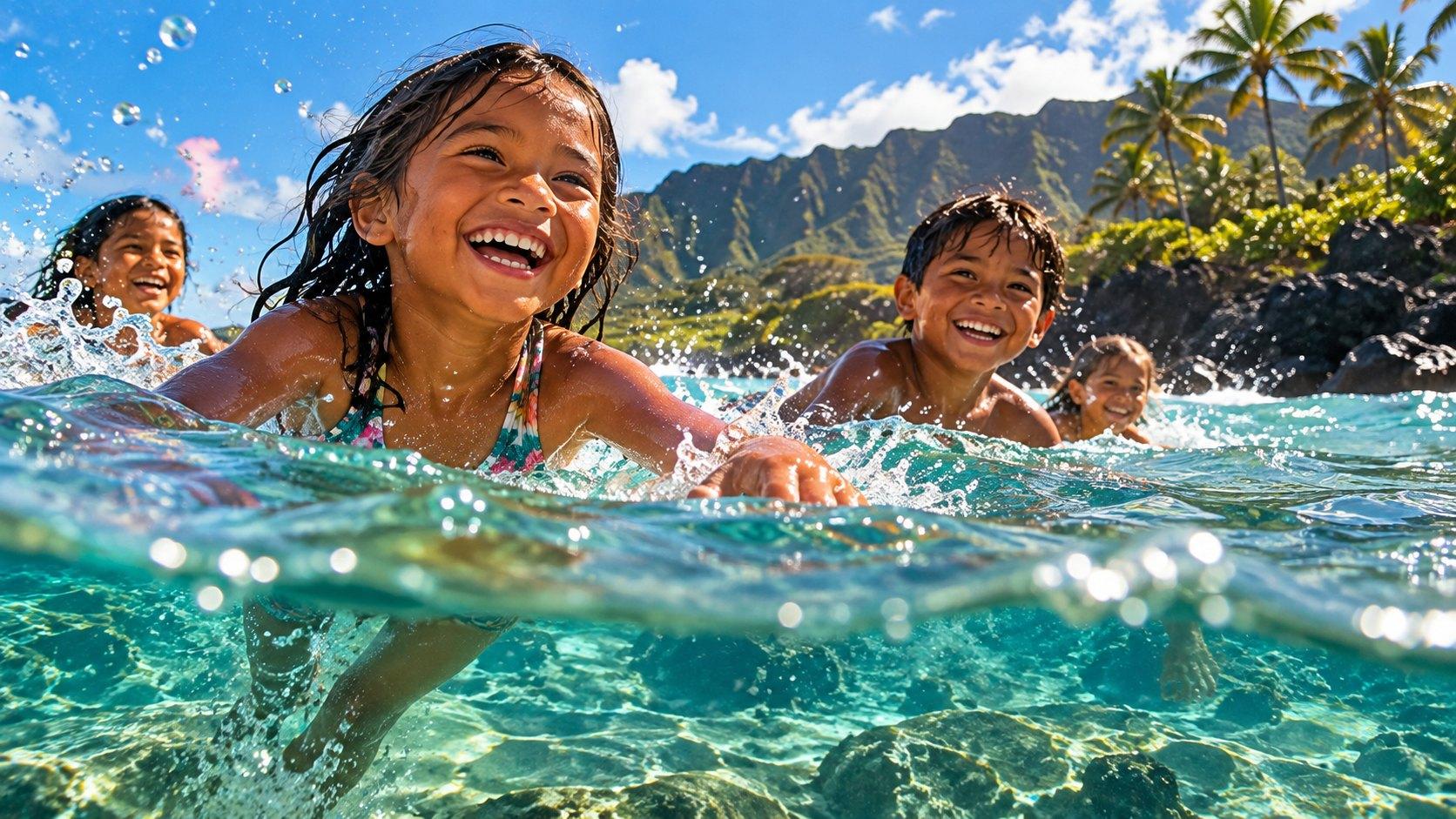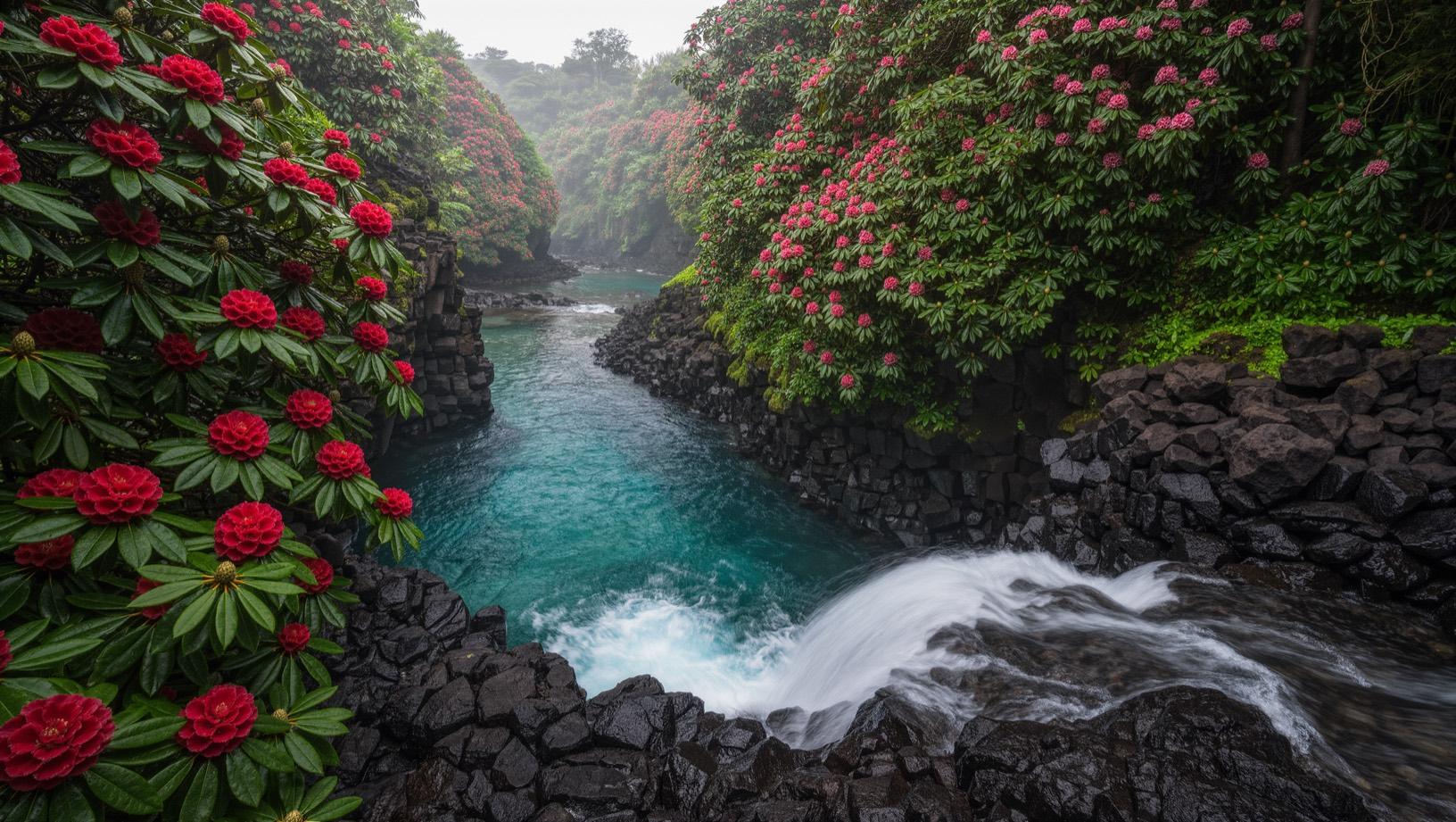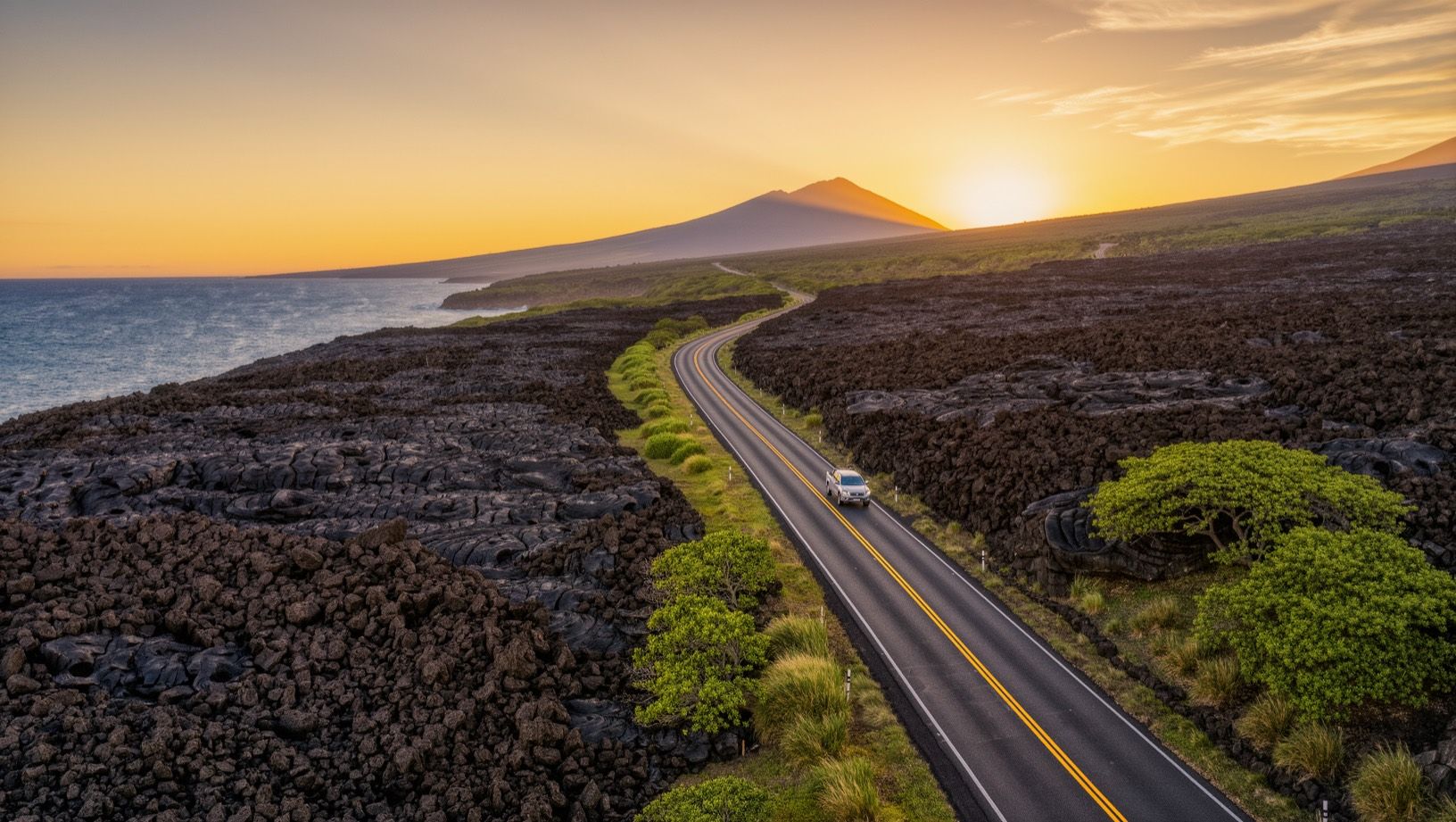
“Sunrise in Hilo, Kona sunset behind me.” That line in our song “Thank God I’m Alive” is a boast about the island’s two coasts, and it is also a decent summary of the problem. Hawaiʻi Island is one place with very different neighborhoods, and a cesspool means something different in each of them.
The biggest share of the problem
Hawaiʻi has about 83,000 cesspools. About 48,600 of them are on Hawaiʻi Island, more than on any other island and more than half of the state’s total. Together they release an estimated 29 million gallons a day of untreated wastewater into the ground. Every one of them must be upgraded, converted or connected to sewer by 2050.
- cesspools on Hawaiʻi Island, of about 83,000 statewide (DOH, 2022)
- 48,600
- cesspools on Hawaiʻi Island, of about 83,000 statewide (DOH, 2022)
- gallons a day released on Hawaiʻi Island (DOH, 2022)
- 29 million
- gallons a day released on Hawaiʻi Island (DOH, 2022)
- the deadline in law, for every cesspool (HRS §342D-72)
- 2050
- the deadline in law, for every cesspool (HRS §342D-72)
The island’s age is the reason the numbers matter. Much of it is young volcanic rock, porous and full of cracks, so wastewater moves through the ground faster here than it would through thick soil. In the song’s words, “black rock underfoot, blue water beside me.”
A different story in each place
The State’s 2017 priority report is a good map of how varied the island is. It found no top-priority areas on Hawaiʻi Island, but it named five coastal communities of concern, and each had a different reason.
- Keaʻau (Puna): about 9,300 cesspools and little soil to filter them, with many homes on private wells. DOH found wastewater indicator bacteria in 25 percent of the domestic wells it sampled there.
- Hilo Bay: about 8,700 cesspools discharging to the streams and groundwater that flow into the bay.
- Kailua-Kona: about 6,500 cesspools, which together with wastewater injection may contribute to degradation of coral reefs.
- Kapoho: about 220 cesspools, in a community whose tide pools are open to land-based pollution.
- Puakō: about 150 cesspools, where UH Hilo dye studies found wastewater at the shoreline in as little as six hours.
Those counts are from 2017. The State has since built a newer prioritization tool, which places about 84 percent of the island’s cesspools in its Priority 3 tier, including all of Puna, Kaʻū and Hāmākua. We explain what that does and does not mean in What do the State’s cesspool priority areas mean?.
One island, one heartbeat, and a dozen different versions of the same problem.
Why the work has to be local
This is the point behind the song’s verse about driving from Kealakekua north to the edge of Waimea. A lot in Puna and a lot in Kona may sit on the same kind of rock and still need different answers: how deep the soil is, how steep the land is, how far the water table is, and how close the shoreline is.
That is also why we say “no mainland copy-paste.” A standard design from somewhere else does not account for lava, and a standard process does not account for the distance between a Hilo office, a Kona job site and a rural lot in Kaʻū.
What we do about it
ʻĀina Force is a coordinator. We are not the contractor. As the song says, licensed hands do the work. A Hawaiʻi-licensed engineer designs each system, the Department of Health reviews it, a licensed contractor builds it, and DOH approves it. What we do is connect homeowners with those people, keep the paperwork moving, and give each family one person to ask.
If you want to know where your own property sits, Start My Property Check. It is free and shows your parcel and its State priority area. And if you would rather talk, the number at the end of the song is real: 808-ONE-WAVE, (808) 663-9283.